
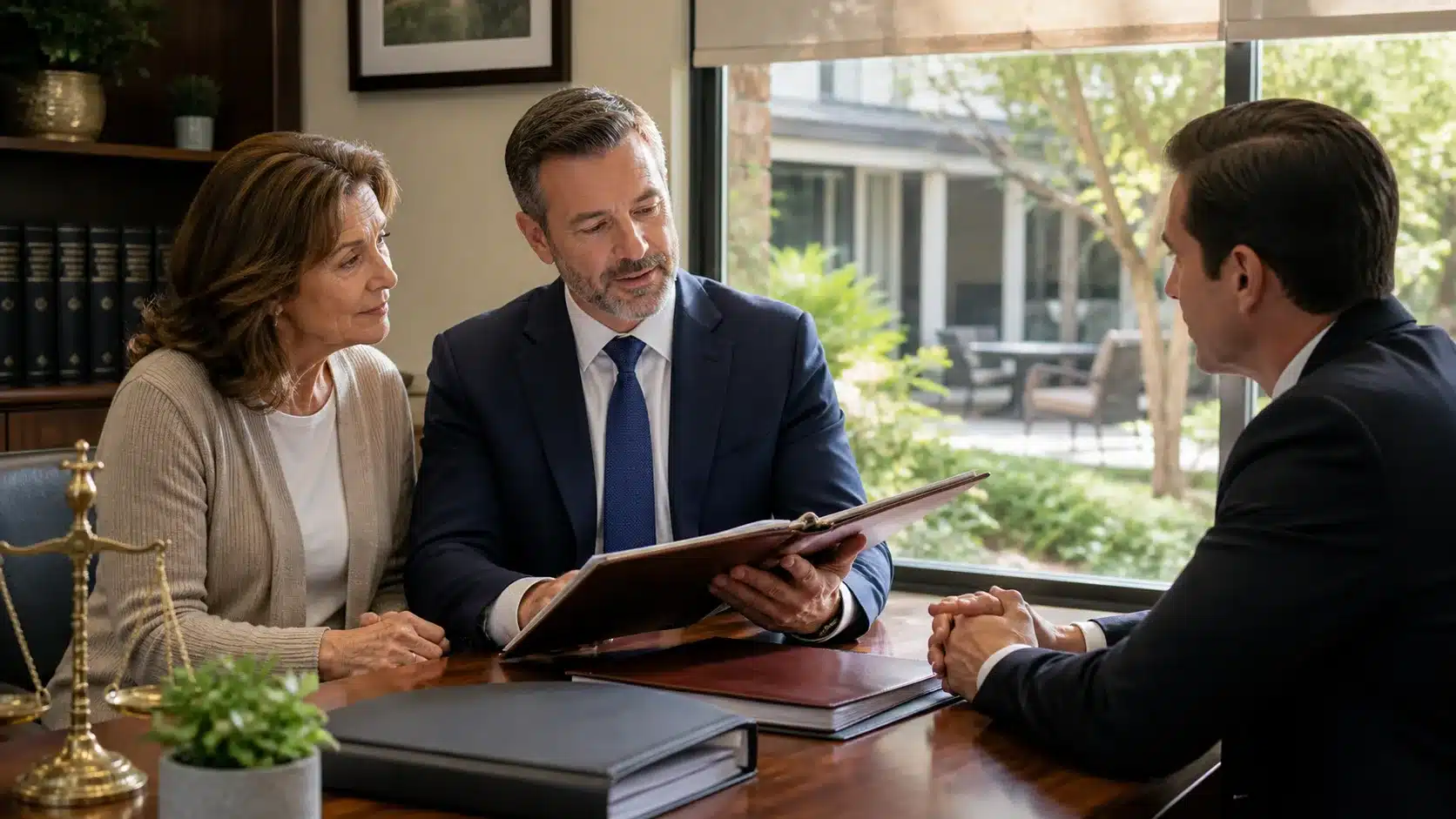
A Wrongful Death Demands Answers Beyond an Insurer’s Offer
The death of a nursing home resident can leave your family with grief, shock, and hard questions. You may wonder whether neglect, poor staffing, medication mistakes, a fall, an infection, or delayed treatment played a part. While your family is trying to process a loss, the facility and its insurer may already be focused on protecting their financial interests.
We believe you deserve a full and independent look at what happened. Nursing home wrongful death attorneys can investigate the circumstances, preserve records, and examine whether a facility failed to provide the care and protection a resident needed. An insurer’s first explanation or offer does not have to be the final word.
How Facility Insurers Protect Their Bottom Line
Soon after a serious incident or death, a nursing home and its insurance company may begin their own review. Staff members may be asked for statements, internal reports may be created, and the facility may assess its possible exposure. Those actions can be important for the facility, but they are not the same as an investigation focused on your family’s need for honest answers.
Insurers may take positions that reduce or deny responsibility. For example, they may argue that a resident’s health problems, age, or overall decline caused the death instead of a failure in care. Yet a resident’s medical vulnerability does not excuse preventable harm or allow a facility to ignore its duties.
We often urge families to be cautious about early communication with an adjuster. Before all records and medical information are reviewed, it can be difficult to know the full story. Families may encounter:
- A quick settlement offer before the facts are clear
- A request for a recorded statement
- Broad medical release forms
- Claims that the resident’s condition was unavoidable
- Pressure to sign documents without time to consider them
A recorded statement or signed release may affect how a claim is evaluated later. We recommend getting legal guidance before accepting payment, signing an agreement, or providing information that could limit your family’s ability to seek answers.
How Nursing Home Wrongful Death Attorneys Build a Case
A careful wrongful death review usually begins with the records. Nursing homes create many documents during a resident’s stay, and those documents can sometimes show missed care, sudden changes in condition, or concerns that were not addressed in time. Hospital records and inspection information may also help fill in gaps.
Our review may include materials such as:
- Medical charts and physician orders
- Medication administration records
- Care plans and notes about changes in condition
- Staffing schedules, fall reports, and incident reports
- Hospital records, facility communications, and inspection findings
These records may reveal whether staff followed the care plan, monitored the resident, responded to warning signs, or reported events accurately. Missing entries and conflicting accounts can matter, too. When a facility’s version of events does not match its records, that difference deserves close attention.
Outside professionals may also be needed to evaluate the care provided. Medical, nursing, long-term care, and forensic experts can help assess accepted standards of care and whether a failure contributed to a resident’s death. Their input can be especially important when an insurer says a death resulted only from natural causes.
Trial preparation matters from the beginning. When we prepare a case as if it could be presented to a jury, we can take a closer look at incomplete explanations and organize the evidence in a clear way. That preparation can help families pursue accountability if an insurer refuses to fairly address what happened.
Holiday Visits Can Reveal Overlooked Warning Signs
Thanksgiving and other holiday gatherings often mean more frequent visits with loved ones in nursing homes or assisted living communities. A family member who is seen every day may not notice gradual changes, while a visitor may recognize right away that something seems wrong. Those visits can bring difficult discoveries, but they can also help families speak up before further harm occurs.
Pay attention to changes that do not have a clear explanation. Concerns may include sudden weight loss, bruising, poor hygiene, bedsores, confusion, untreated infections, or a resident left without needed supervision. A loved one may also seem unusually thirsty, fearful, withdrawn, or unable to get help when needed.
When you see a concern, preserving details can be helpful. You may want to:
- Write down what you observed and when you observed it
- Take dated photographs when appropriate
- Keep copies of messages and written communications
- Ask for a care-plan meeting and document the response
- Note names of people who may have seen the resident’s condition
We do not view these warning signs as an inevitable part of aging. Residents may have serious and complex health needs, but facilities still have responsibilities to provide adequate monitoring, nutrition, hydration, medical attention, and protection from preventable harm.
Taking Prompt Steps After a Loss
After a loved one dies, records can become harder to locate, memories can fade, and surveillance footage may no longer be available. Prompt action can help preserve information while the details are still accessible. Arkansas wrongful death and negligence claims also involve legal deadlines, so waiting too long may affect available options.
A thorough review can help your family understand whether there are signs of neglected care, delayed treatment, unsafe conditions, or other failures. We can communicate with facility insurers, review available information, and explain the possible paths forward without minimizing the emotional weight of your loss.
No legal process can replace your loved one or erase the pain of losing them. Still, asking timely questions, protecting important records, and seeking an independent evaluation can help your family make informed decisions about what happened and whether further action is appropriate.
Guidance for Protecting Your Family’s Rights
At The Law Office of Thomas G. Buchanan, we can explain how nursing home wrongful death attorneys assess evidence, insurer communications, and potential claims. Our team will listen to your concerns and provide straightforward information about your available options. When you are ready to discuss your family’s circumstances, contact us for a confidential consultation.